By Seerat Fatima · 20 August 2026
Every Pakistani girl has had this argument with her mother, her sister, or herself while standing in a brand outlet. Unstitched sasta padta hai — or does it? Aunty says stitched is a waste of money. Your friend says by the time you pay the darzi, there is no saving left at all.
Nobody has actually checked. So we did.
On 20 August 2026 we compared every in-stock 3-piece suit on TrendCompare — 6,598 unstitched against 2,686 ready-to-wear — and the answer turned out to be a single number you can test against your own darzi.
What the Prices Actually Say
Comparing like with like matters here. A 1-piece unstitched shirt against a full ready-to-wear suit would give a dramatic but meaningless answer. Both rows below are women's 3-piece suits, in stock, on the same day:
| 3-piece suit | Cheaper quarter | Middle price | Pricier quarter |
|---|---|---|---|
| Unstitched (6,598 items) | Rs. 3,486 | Rs. 4,597 | Rs. 6,289 |
| Ready-to-wear (2,686 items) | Rs. 5,502 | Rs. 7,487 | Rs. 12,013 |
The middle unstitched 3-piece costs Rs. 4,597. The middle ready-to-wear 3-piece costs Rs. 7,487.
The Only Number You Need: Rs. 2,890
That is the gap. Rs. 7,487 − Rs. 4,597 = Rs. 2,890.
Which turns a vague argument into a simple test:
- Your darzi charges less than Rs. 2,890 for a 3-piece suit? Unstitched is genuinely cheaper. Buy the fabric.
- Your darzi charges more than Rs. 2,890? You are paying extra for the privilege of waiting three weeks. Buy ready-to-wear.
Stitching charges we could not measure — TrendCompare tracks brand prices, not darzi rates. But as a rough guide from what women report paying in 2026: a neighbourhood darzi typically falls somewhere around Rs. 1,500–2,500 for a simple 3-piece, a well-known local tailor around Rs. 3,000–4,500, and a boutique or designer tailor Rs. 5,000 and up. Rates vary a lot by city and by season — treat these as a starting point and ask your own darzi, not as fixed prices.
Put those against Rs. 2,890 and the picture is clear. A basic darzi keeps unstitched ahead by roughly Rs. 400–1,400. A boutique tailor wipes the saving out completely and then some.
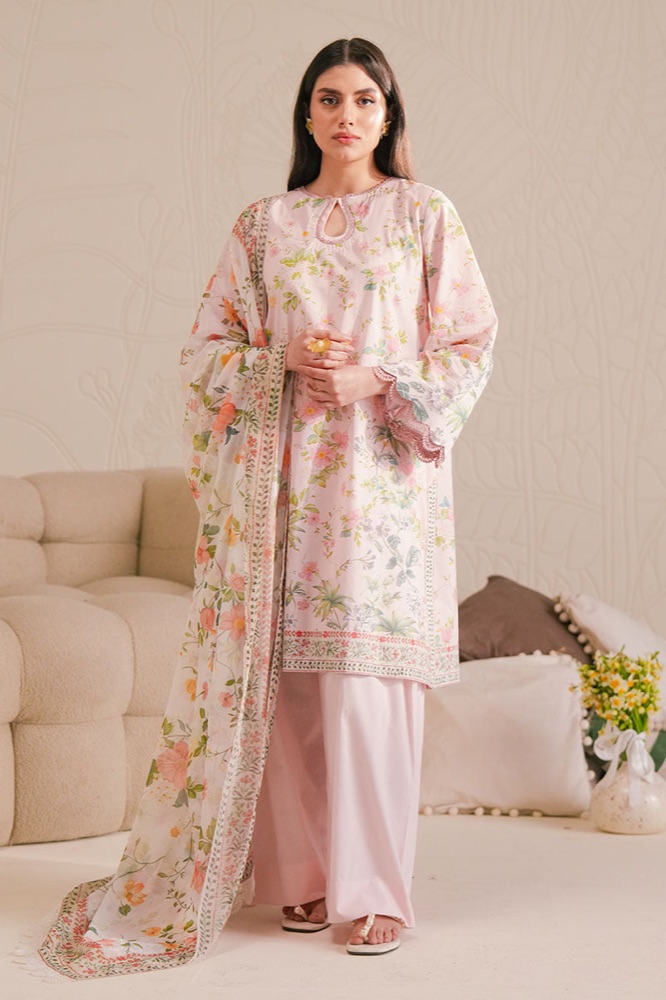
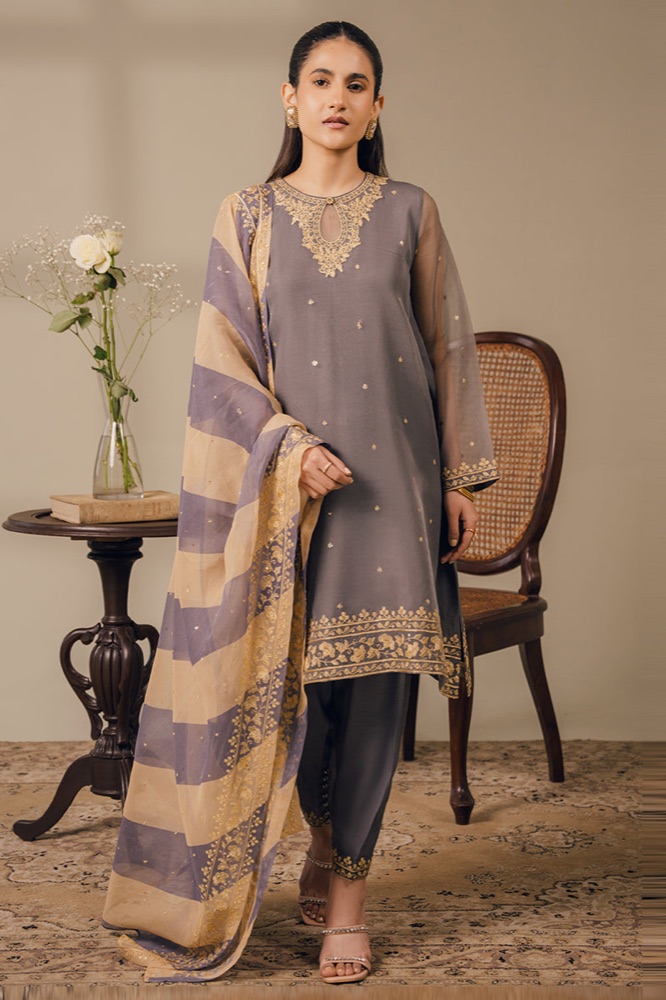
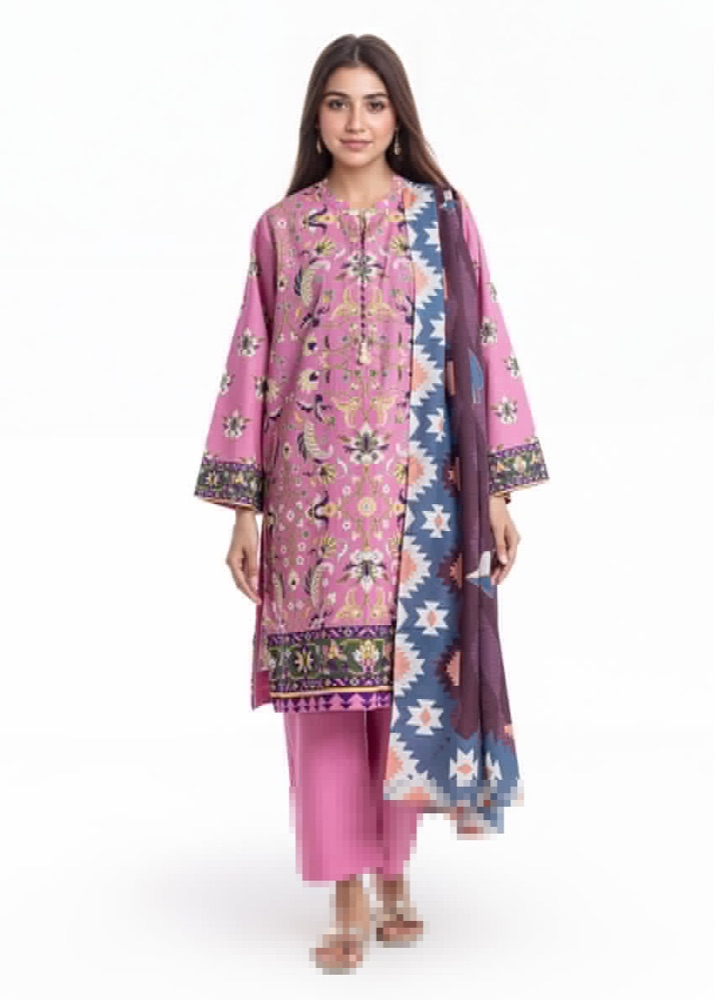
Same price bracket, two very different propositions
What the Price Tag Doesn't Show
Unstitched costs you more than money
- Three weeks, minimum. In wedding or Eid season, four to six. If the event is in ten days, unstitched is not an option at any price.
- The fitting risk is yours. A darzi who cuts the shirt too narrow has just turned your Rs. 4,600 fabric into Rs. 4,600 of regret. There is no exchange policy for a bad stitch.
- Trips. Drop the fabric, go for measurement, go back when it is late, go back again for the alteration. Rickshaw fare and half a Saturday are real costs.
- Extra bits. Lining, buttons, laces and piping are usually on you, and they add a few hundred rupees that nobody counts.
Ready-to-wear has its own catch
- Standard sizes rarely fit perfectly. Sleeve and length adjustments cost Rs. 300–800 — which quietly narrows that Rs. 2,890 gap.
- Your size sells out first. Medium and large disappear within days of a launch; you are choosing from what is left.
- Less choice. There were 6,598 unstitched 3-piece options in stock against 2,686 ready-to-wear ones — unstitched gives you well over twice the designs to pick from.
So Which One Should You Buy?
Buy unstitched when
- You have a darzi you trust who charges under Rs. 2,890
- The event is more than a month away
- You are hard to fit in standard sizes — this is where a good darzi is worth every rupee
- You want a specific length, sleeve or neckline that brands do not stitch
- You are buying several suits at once — the saving multiplies
Buy ready-to-wear when
- You need it this week
- You do not have a reliable darzi, or yours charges boutique rates
- Standard sizes fit you well
- It is sale season — a discounted ready-to-wear suit often lands below unstitched plus stitching
- You are buying formal or wedding wear, where a bad stitch on expensive fabric is a painful loss
Three Ways to Come Out Ahead
- Find out your darzi's actual rate. Most women genuinely do not know it — they hand over the fabric and pay whatever is asked at pickup. One phone call turns this whole debate into arithmetic.
- Compare the same suit across brands before buying either. The spread within a single category is wide — the cheaper quarter of ready-to-wear starts at Rs. 5,502 while the pricier quarter runs past Rs. 12,013 for suits that look broadly similar in a photograph.
- Watch ready-to-wear during sale season. Discounts hit stitched pret harder than unstitched fabric, and that is exactly when ready-to-wear slips under the break-even line.
The Honest Answer
Unstitched is cheaper — by Rs. 2,890 at the middle of the market. But that saving is not free money. It is the fee you collect for waiting three weeks and carrying the risk that the fit comes out wrong.
If your darzi is good and reasonable, collect it. If he is expensive, slow, or unreliable, ready-to-wear is not the lazy option — it is the cheaper one.
Either way, compare before you pay. The gap between brands on the same kind of suit is often larger than the gap between stitched and unstitched.
Compare unstitched and ready-to-wear prices across 22 Pakistani brands →
How we worked this out: figures are from the live TrendCompare catalogue on 20 August 2026, covering all in-stock women's 3-piece suits — 6,598 unstitched and 2,686 ready-to-wear. "Middle price" is the median, and the quarter figures are the 25th and 75th percentiles, calculated across every matching item rather than a sample. Stitching charges are not tracked by TrendCompare and are indicative ranges only. Prices change hourly, so check the live listing before you buy.